
Repairing an old car can be worth it when a clearly diagnosed fault can be fixed, the rest of the vehicle is sound and keeping it costs less than a suitable replacement. Repeated major faults, unresolved safety problems and expensive downtime can shift the decision towards replacing it.
It is a familiar question in Tasmania. Our calculation from BITRE’s January 2025 vehicle data found that 58.9% of Tasmania’s registered motor vehicles were manufactured in 2014 or earlier, the highest share nationally. The January 2026 report confirms Tasmania still had the oldest fleet, averaging 13.8 years.
Those figures describe the fleet, not the condition of your car. At Underground Towing & Salvage, our role is to move a vehicle safely when it cannot continue. A mechanic’s diagnosis should guide the repair decision. The useful question is: what will each option cost over the next 12 months, and how dependable will it be?
Get the whole car assessed before approving repairs
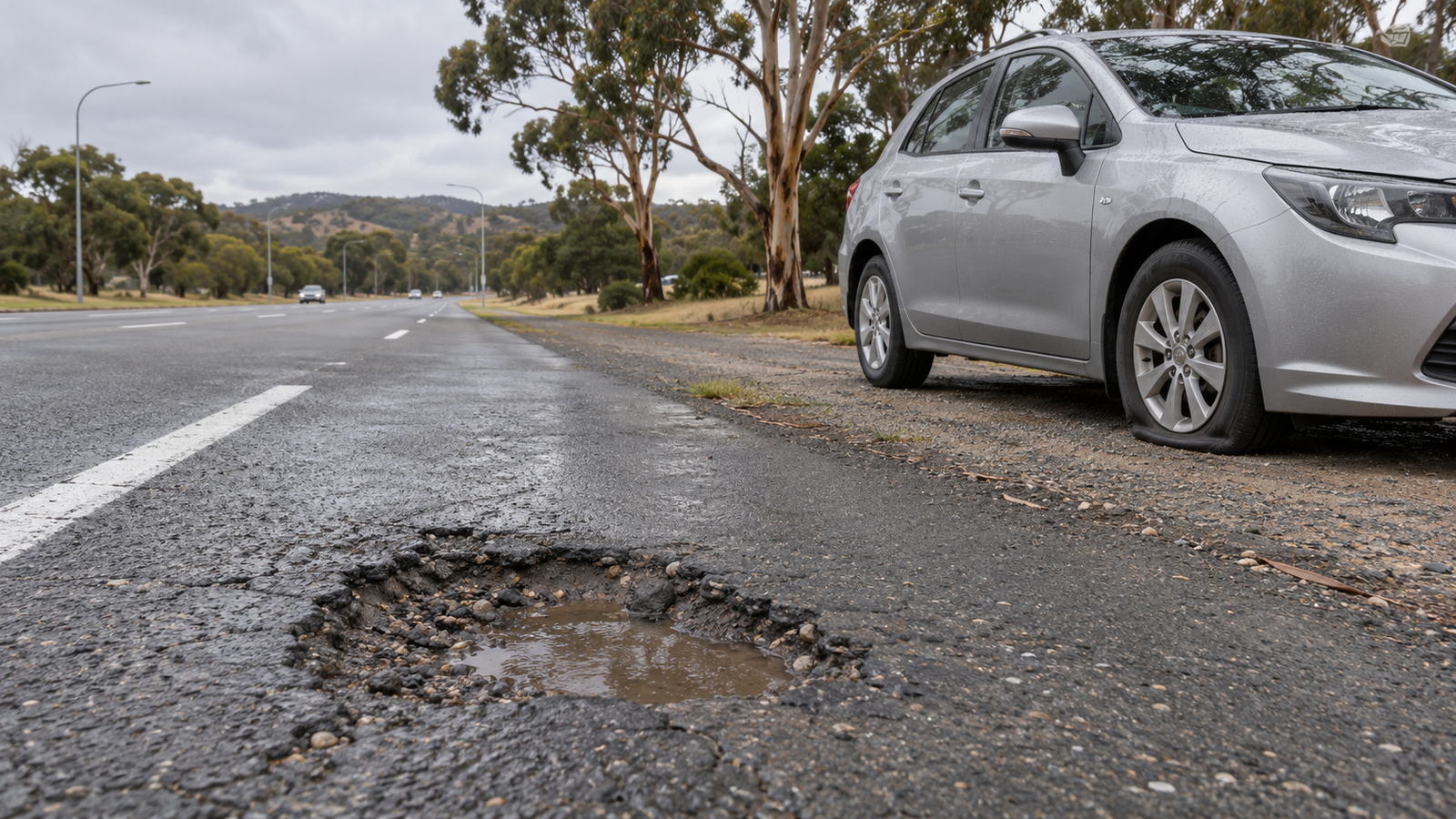
A car that will not start is not automatically beyond repair. A battery fault and serious engine damage can both leave you stranded, but they call for very different budgets. Our Australian breakdown statistics explain the range of faults behind roadside callouts.
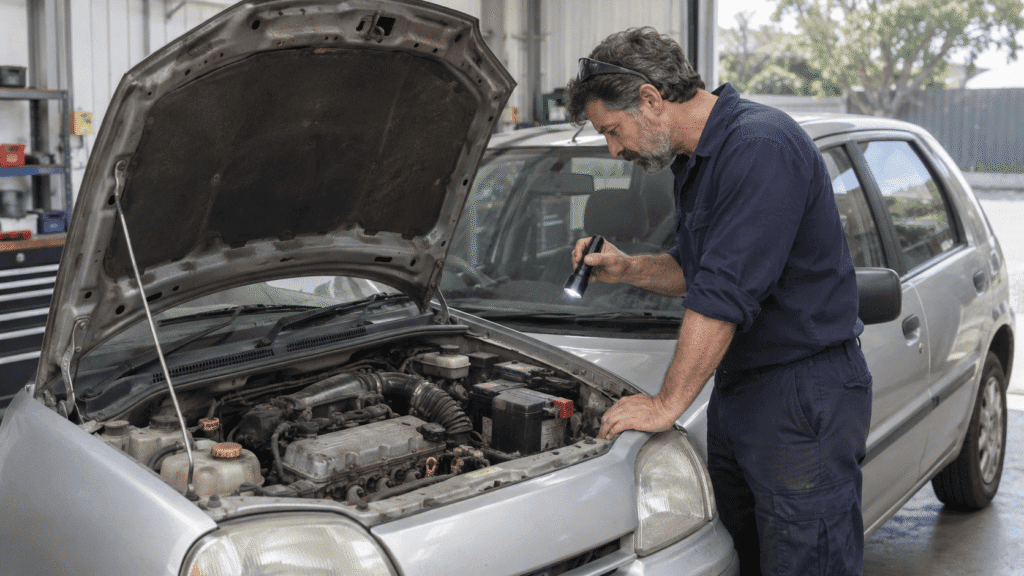
Ask the workshop for an itemised quote and answers to four questions:
- What caused the problem? Will the proposed repair fix the underlying fault, and could there be further damage?
- What else is due in the next year? Include tyres, brakes, servicing, timing-belt work where applicable, and other identified wear.
- What remains uncertain? Ask about diagnostic limits, parts availability, labour, GST, warranty and likely time off the road.
- Is the rest of the car worth keeping? Have its structure, corrosion, engine, transmission and safety-related components assessed.
For a major engine or transmission quote, a second opinion can be worthwhile. Agree on diagnostic or dismantling charges before authorising them.
Use realistic values rather than a repair percentage
Find three figures: what your car could sell for as it stands, what it would be worth after repair, and the total price of a suitable replacement. Compare similar kilometres, condition and service history; advertised prices are asking prices.
A repair costing half the car’s value is a reason to investigate, not an automatic instruction to scrap it. Equally, repairing a car to sell it only makes financial sense if the extra sale proceeds exceed the repair and selling costs. Money already spent cannot be recovered by approving another repair.
Compare the next 12 months in dollars
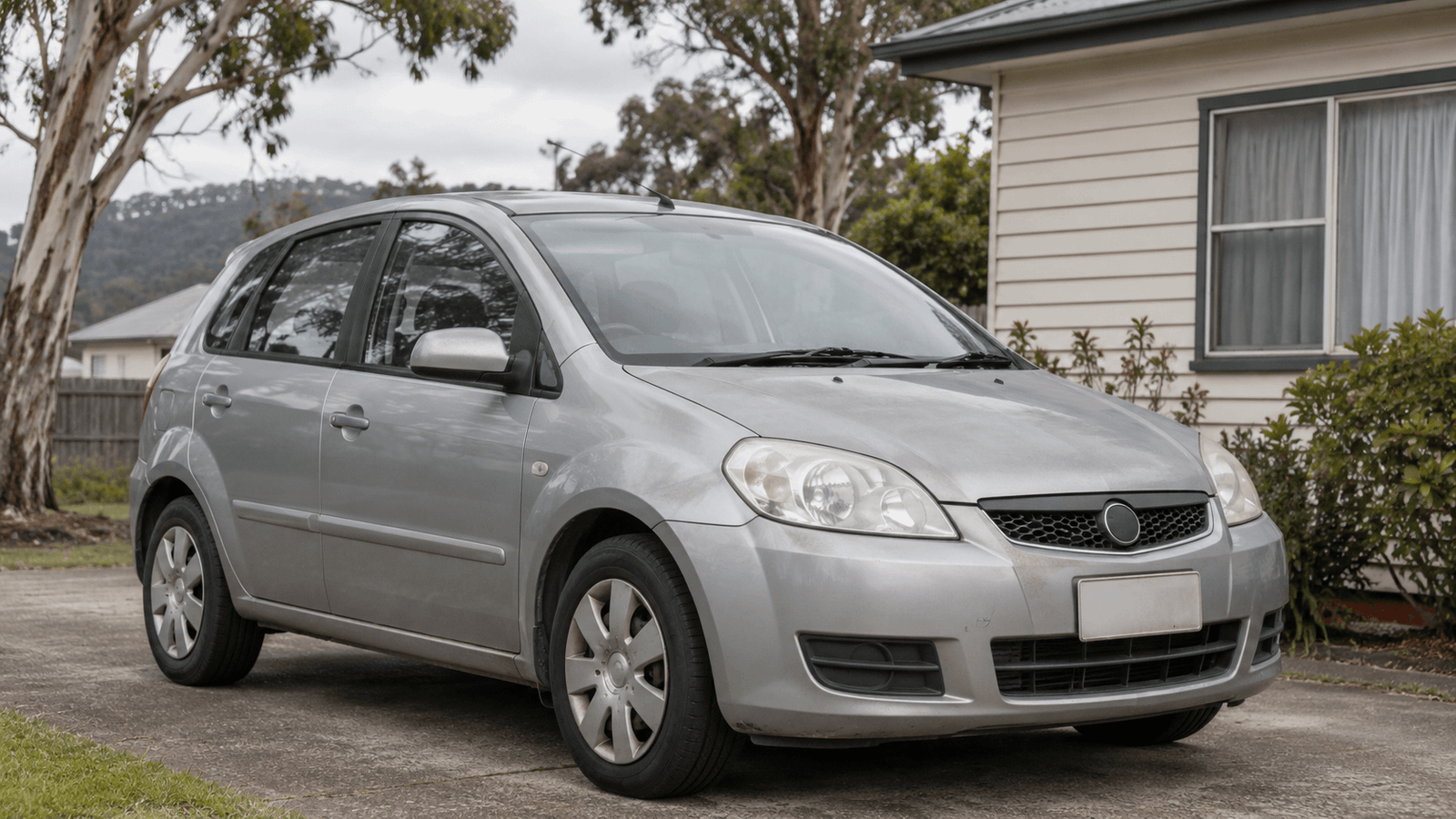
Consider an older hatchback worth $3,000 with its current fault, or approximately $6,000 once repaired. The repair quote is $1,800. An inspected replacement costs $15,000. Here is an illustrative cash-purchase comparison.
These are worked assumptions, not market averages or repair quotes. Amounts are Australian dollars, with GST included where applicable. Both cars are assumed safe after the required work, owned outright and used for the same driving.
Cost or value | Repair current car | Buy replacement |
Repair or purchase price | $1,800 | $15,000 |
Purchase checks, duty and transfer costs | $0 | $900 |
Next 12 months of servicing and other repairs | $900 | $600 |
Towing and temporary transport allowance | $300 | $150 |
Less sale of current car as is | $0 | −$3,000 |
Net cash paid over 12 months | $3,000 | $13,650 |
Estimated car value after 12 months | $4,500 | $13,500 |
12-month cost allowing for retained value | $1,500 | $3,150 |
Fuel, annual registration and insurance are assumed equal and excluded from both columns. Add any differences for your actual vehicles. Purchase costs vary by jurisdiction and vehicle; replace the $900 allowance with actual figures.
Repairing saves cash, but the full replacement price is not a one-year loss. You still own a more valuable vehicle at the end. The last row uses the same $3,000 starting asset for each option: starting car value + net cash paid − year-end car value.
Under these assumptions, repairing costs $1,650 less over the year. That advantage disappears if additional faults or lost income exceed the saving.
If the repair quote rises to $6,500: keeping all other assumptions unchanged, repair-side cash spending becomes $7,700 and the 12-month cost becomes $6,200. Replacement remains $3,150, making it $3,050 cheaper on this basis. Also price a like-for-like replacement; you do not have to upgrade to a $15,000 car.
Include the costs that can change the result
The Moneysmart guide to buying and running a car separates purchase expenses from ongoing costs. For your comparison, include:
- Buying costs: inspection, applicable duty, transfer fees, insurance changes and transport if buying interstate.
- Running costs: fuel, registration, insurance, servicing and repairs already due on the replacement.
- Borrowing costs: interest and fees. Check repayments and any balloon payment separately for affordability. Do not add loan principal again if the purchase price is already counted.
Fuel savings alone may be smaller than expected. At an assumed 12,000 km a year and $2 a litre, reducing consumption from 9 to 7 L/100 km saves $480 a year. Useful, but it would not by itself offset several thousand dollars in changeover costs.
Give reliability and safety their own weight
A known, isolated fault in a well-maintained car can favour repair. Recurring overheating, repeated unexplained breakdowns, several major repairs due together or parts delays favour a closer look at replacement. Include missed work, hire cars and other transport costs, especially if you rely on the car for regional travel or daily commitments.
A newer used car can also have hidden faults. Consumer Affairs Tasmania recommends an independent mechanical inspection. Check service records and the exact model’s safety rating, and run a $2 online PPSR search using the VIN. A PPSR search checks recorded security interests and usually includes stolen and written-off information; it does not assess mechanical condition.
Protect the car before deciding its future
If the engine overheats, stop somewhere safe and switch it off. RACQ warns that continued driving can greatly increase engine damage. Never remove a radiator cap while the engine is hot. If the vehicle cannot be driven safely, arrange assistance rather than trying to reach the workshop.
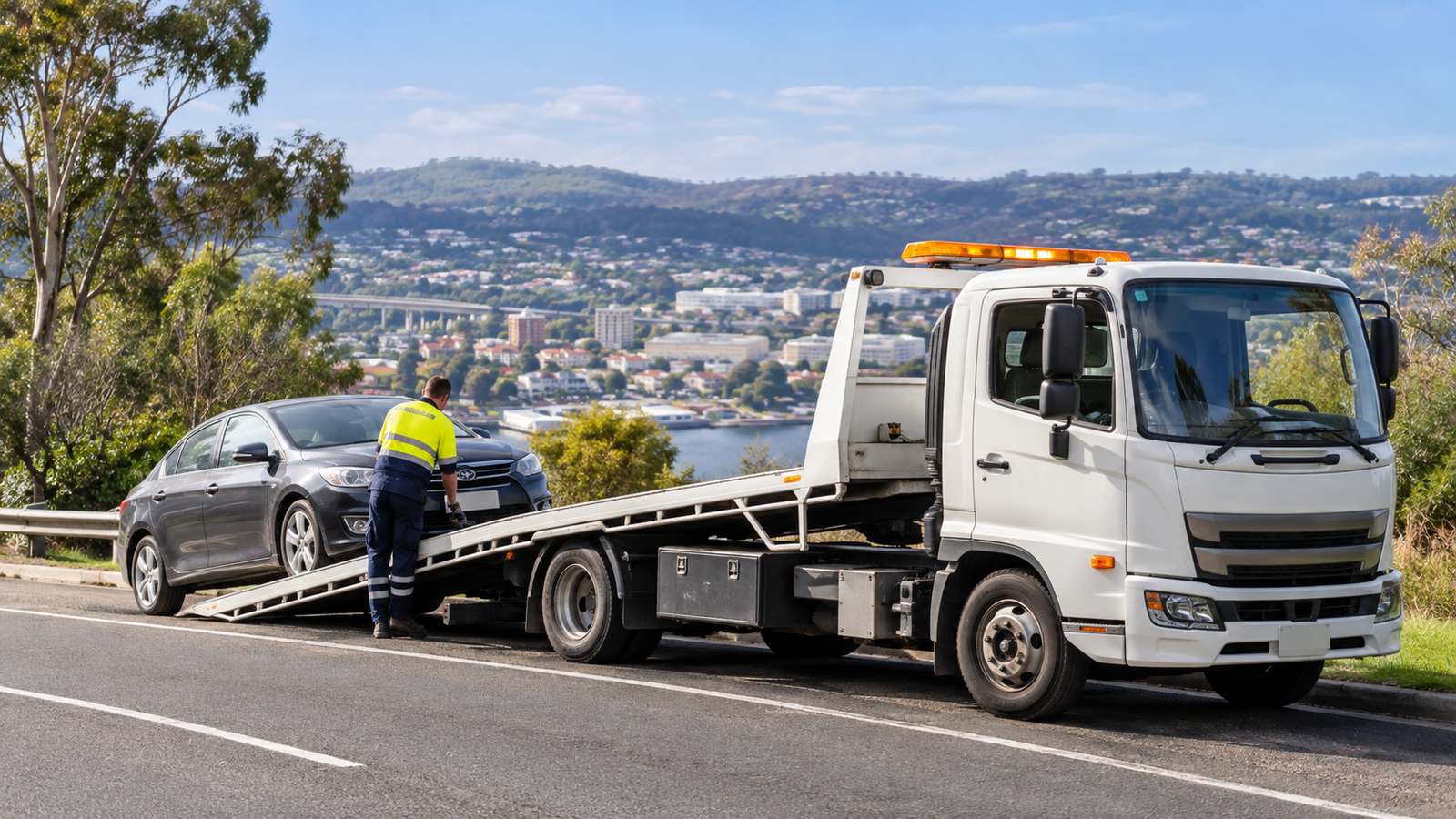
Before booking transport, confirm the workshop can accept the car and ask about storage charges. Check existing roadside-assistance or insurance entitlements. Choosing the destination first can avoid paying for another move.
Our towing price calculator provides indicative starting prices. Standard vehicle towing starts from $140 + GST in Canberra and from $165 + GST in Tasmania. Distance, access, vehicle condition and recovery requirements affect the final quote.
Need your car taken for an assessment? Underground Towing & Salvage provides towing in Canberra and towing in Tasmania, based in Launceston and serving nearby areas. Call 0421 064 666 for Canberra or 0473 005 833 for Tasmania with your location, vehicle details and preferred destination.