

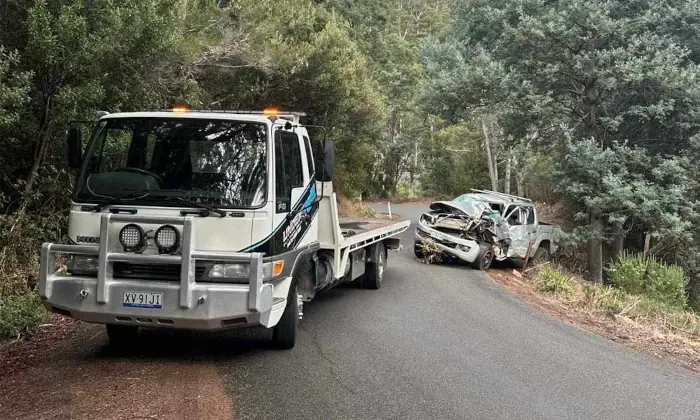

Moving a vehicle across state borders involves more than simply booking transport. The vehicle’s condition, registration status, destination and transport method can all affect how the move is planned, how long it takes and what you need to organise beforehand.
At Underground Towing & Salvage, we’ve helped transport vehicles from Canberra to destinations across Australia, including breakdowns, accident-damaged vehicles, unregistered cars and motorcycles.
We’ve seen the common mistakes that lead to delays, unexpected costs and unnecessary stress, and most of them are avoidable with the right preparation.
This guide explains exactly what to expect before, during and after an interstate vehicle move, so you can make informed decisions and avoid surprises along the way.
When Do You Need Interstate Vehicle Transport?
People move vehicles interstate for many different reasons, and not all of them involve relocating to a new home.
Common situations include:
- Moving house to another state
- Buying or selling a vehicle interstate
- Transporting an unregistered vehicle
- Sending a vehicle to a repairer or specialist workshop
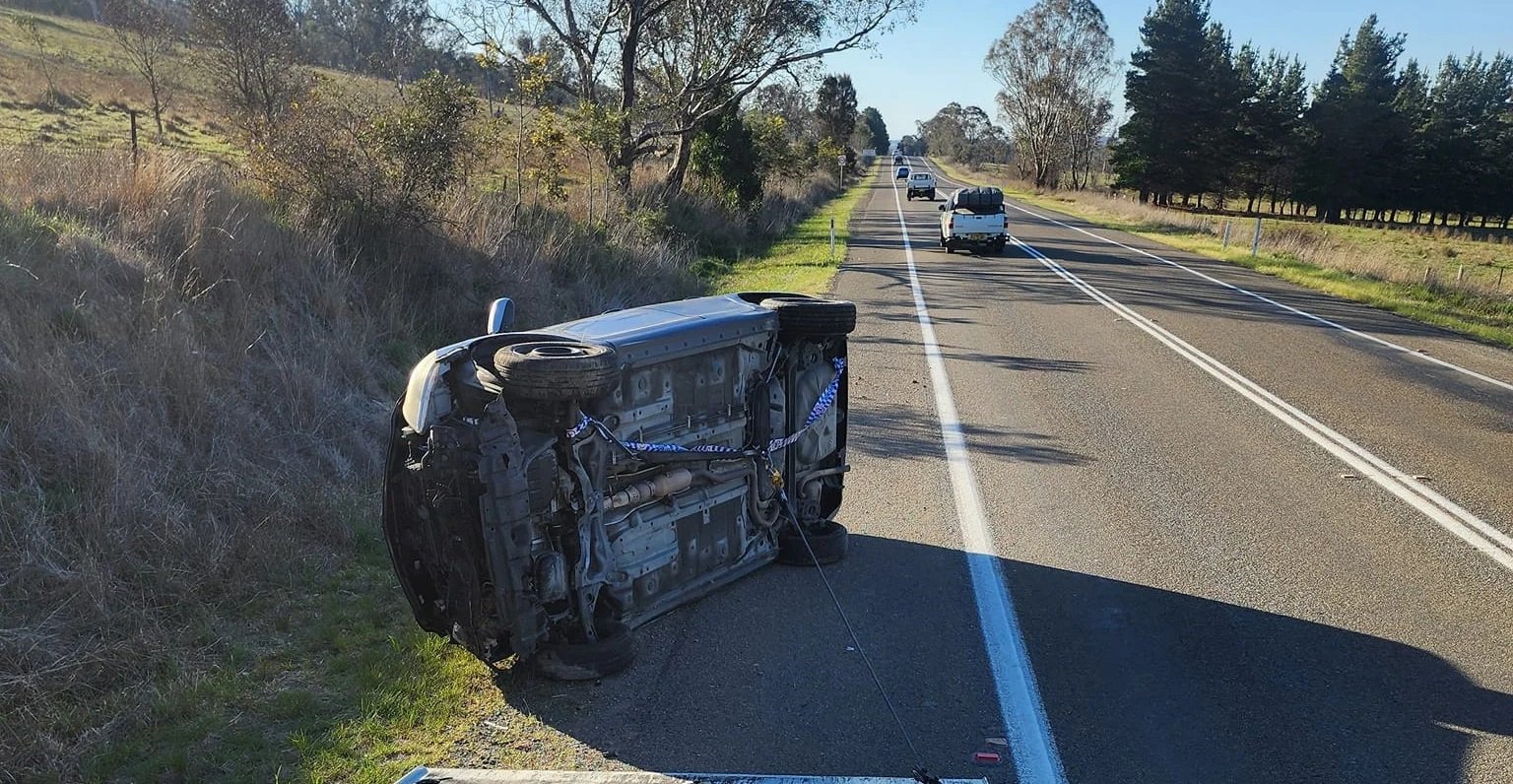
- Moving an accident-damaged or broken-down vehicle
- Relocating a motorcycle or collector vehicle
- Delivering a vehicle to a family member or business
In many of these situations, professional transport is safer and more practical than driving the vehicle yourself, particularly if it isn’t roadworthy, has mechanical issues or needs to travel a significant distance.
How Interstate Vehicle Transport Works
Most interstate vehicle transport follows the same straightforward process:
- Request a quote by providing the pickup and delivery locations, vehicle details, its condition, and your preferred transport dates.
- Confirm the booking once the transport method, collection date and quote have been agreed.
- Prepare the vehicle by removing personal belongings, providing the keys and advising the transporter of any mechanical issues or existing damage.
- Vehicle collection and inspection. Before loading, the driver will inspect the vehicle and record its condition, often with photographs.
- Transport to the destination. Depending on the service selected, the vehicle will either travel directly on a dedicated tow truck or as part of a scheduled multi-vehicle carrier.
- Delivery and final inspection. Before accepting the vehicle, compare its condition with the original inspection report and photographs to ensure everything has arrived as expected.
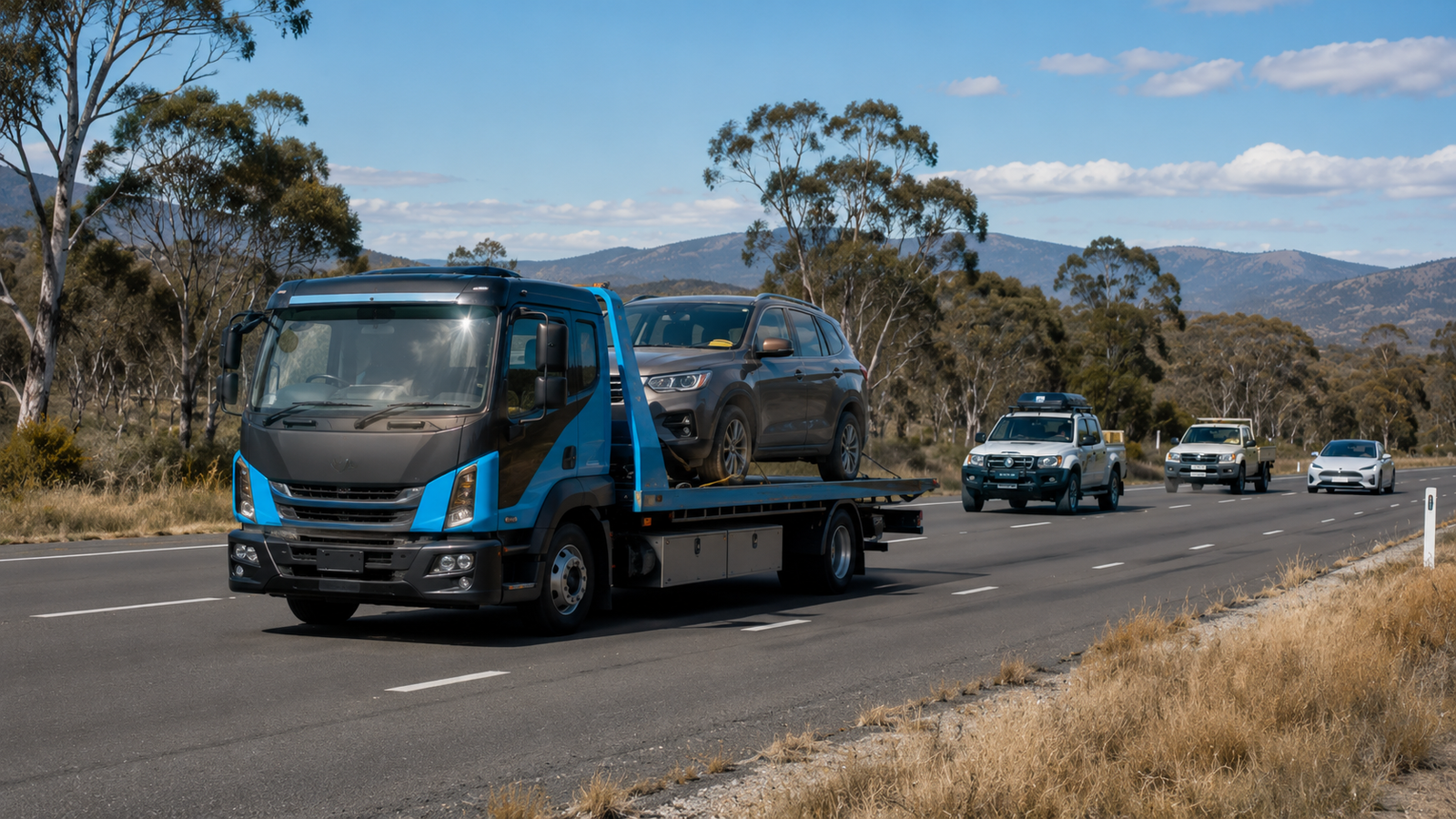
If you need direct transport for a breakdown, accident-damaged or non-running vehicle, our interstate towing from Canberra service provides dedicated interstate towing across Australia.
Do You Need Any Permits or Special Paperwork?
One of the biggest misconceptions is that crossing a state border automatically requires a permit. In most cases, that’s not true.
If your vehicle is being professionally transported on a tow truck or carrier, you generally won’t need a permit simply because it is crossing into another state.
Situations where additional paperwork may be required include:
- The vehicle is unregistered and will be driven on public roads.
- The vehicle requires an Unregistered Vehicle Permit.
- You’re registering the vehicle in a new state after it arrives.
- The vehicle has unusual dimensions or specialised transport requirements.
It’s also worth remembering that transporting a vehicle interstate does not automatically transfer its registration. If you’re permanently relocating the vehicle, you’ll need to complete the registration process required by the destination state before legally driving it there.
Before collection, it’s helpful to have:
- Vehicle registration details (if applicable)
- Identification
- Pickup and delivery contact information
- All vehicle keys
- Any special operating instructions for the vehicle
How to Prepare Your Vehicle Before Collection
Spending a few minutes preparing your vehicle can make the transport process much smoother.
A simple checklist includes:
| Before Collection | Why It Matters |
| Remove personal belongings | Many transport companies don’t cover personal items left inside vehicles. |
| Photograph the vehicle | Creates a clear record of its condition before transport. |
| Report existing damage | Prevents confusion during delivery. |
| Check battery and tyre condition | Makes loading easier if the vehicle can still move. |
| Provide all keys | Ensures the vehicle can be safely loaded and unloaded. |
| Tell the transporter about mechanical issues | Allows appropriate equipment to be organised. |
| Confirm truck access | Avoids delays if large vehicles can’t reach the pickup location. |
If your vehicle doesn’t start, has locked wheels or has been involved in an accident, let the transport company know before collection. Additional recovery equipment may be required, and it’s much easier to organise this in advance.
What Affects the Cost of Moving a Vehicle Interstate?
No two interstate vehicle moves are exactly the same, so pricing is based on the vehicle, the journey and the level of service required. The table below outlines the main factors that influence the final quote.
| Factor | How It Affects the Cost |
| Distance | Longer journeys generally cost more, although common freight routes can sometimes be more economical than remote destinations. |
| Vehicle size and weight | Larger vehicles such as 4WDs, vans and commercial vehicles require more deck space and heavier-duty equipment. |
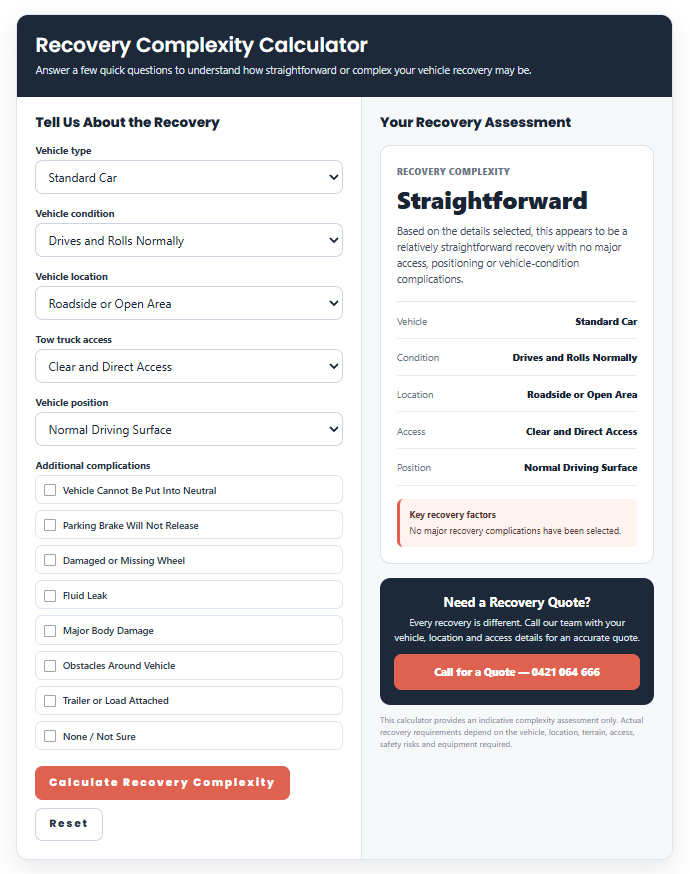
| Vehicle condition | Non-running, accident-damaged or seized vehicles often require additional loading equipment and more time to recover safely. |
| Transport method | Dedicated interstate towing typically costs more than shared carrier transport but offers direct delivery and shorter transit times. |
| Pickup and delivery access | Narrow streets, apartment basements, steep driveways or regional properties may require specialised equipment or alternative collection arrangements. |
| Urgency | Express or fixed-date transport usually attracts a higher cost than bookings with flexible scheduling. |
“One of the biggest misconceptions is that interstate towing has a fixed price. In reality, every job is different. A vehicle that starts and rolls is very different from recovering an accident-damaged car, and transporting a vehicle to Sydney is different from taking one to regional Queensland or Tasmania. The more information we have upfront, the more accurate the quote will be.”
Joshua Harrison, Founder, Underground Towing & Salvage
Rather than comparing quotes on price alone, look at what’s included.
Recovery work, loading and unloading, tolls, regional delivery, specialist equipment and waiting time may or may not be covered depending on the provider.
How Long Does Interstate Vehicle Transport Usually Take?
Interstate vehicle transport timeframes vary depending on the destination, collection schedule, weather conditions, road closures and whether the vehicle is travelling on a dedicated tow truck or a shared carrier.
Dedicated interstate towing is often the faster option because the vehicle travels directly to its destination, while shared carriers usually follow scheduled freight routes with multiple pickups and deliveries.
If your vehicle needs to arrive by a specific date, discuss this with your transport provider before booking so realistic timeframes can be confirmed.
Insurance, Condition Reports and Protecting Your Vehicle
At Underground Towing & Salvage, every interstate vehicle is transported with care and attention from collection through to delivery.
As a fully insured towing company, we recommend documenting your vehicle’s condition before transport, particularly if it has existing damage or is a high-value vehicle.
Before loading, we inspect the vehicle and record any existing dents, scratches or other visible damage so there’s a clear record of its condition.
We also encourage customers to remove personal belongings before transport, as these generally aren’t covered under vehicle transport insurance.
If you’re transporting a prestige, classic or sentimental vehicle, we’re always happy to explain what’s covered and answer any questions before the journey begins.
We believe clear communication and proper preparation are just as important as getting your vehicle safely from Canberra to its destination.
Common Mistakes That Can Delay or Complicate an Interstate Move
Many transport delays happen because important information wasn’t shared early enough.
Some of the most common mistakes include:
- Booking transport at the last minute during busy periods.
- Forgetting to mention the vehicle doesn’t start.
- Leaving valuable items inside the vehicle.
- Assuming registration transfers automatically.
- Not checking whether a large truck can access the property.
- Choosing a provider based solely on price without understanding what’s included.
Being upfront about the vehicle’s condition and your expectations helps the transport company plan properly and reduces the likelihood of unexpected issues.
Why Professional Interstate Towing Is Often the Better Option
Driving a vehicle interstate isn’t always the safest or most practical option, particularly if it’s been involved in an accident, has mechanical issues or isn’t roadworthy. Professional interstate towing removes the uncertainty of a long-distance drive and ensures the vehicle is transported using the right equipment from start to finish.
At Underground Towing & Salvage, we regularly transport vehicles across state borders from Canberra, including breakdowns, accident-damaged vehicles, motorcycles and non-running cars. Our dedicated interstate towing service offers several advantages:
- No additional wear and tear on your vehicle.
- Safer transport using professional loading and securing equipment.
- Direct transport without unnecessary kilometres on the road.
- Suitable for damaged, unregistered and non-running vehicles.
- Less time spent organising trailers, recovery equipment or permits where applicable.
- Clear communication throughout the transport process from collection to delivery.
For many Canberra vehicle owners, dedicated interstate towing provides greater convenience, peace of mind and confidence that their vehicle will arrive safely at its destination.
Need to Move a Vehicle Interstate from Canberra?
Underground Towing & Salvage provides fully insured interstate towing from Canberra for cars, motorcycles, accident-damaged and non-running vehicles.
If your vehicle first needs recovering within the ACT, our Canberra towing services can safely collect it before continuing its interstate journey. Contact our team today for a tailored quote and expert advice..