


Vehicle breakdowns are an everyday reality across Australia, affecting motorists, businesses and commercial fleets alike.
While many issues can be resolved through roadside assistance, others require professional towing and vehicle recovery.
This report combines official government data, roadside assistance statistics and transport industry research to examine Australia’s vehicle fleet, the most common causes of breakdowns, roadside assistance demand and the trends shaping breakdown recovery services across the country.
Australia's Growing Vehicle Fleet Continues to Increase Potential Breakdown Demand
Every additional vehicle on Australian roads increases the likelihood of breakdowns, roadside assistance requests and vehicle recoveries.
While newer vehicles are generally more reliable, no vehicle is immune to flat batteries, tyre damage, mechanical faults or accident-related incidents.
According to the Bureau of Infrastructure and Transport Research Economics (BITRE), Australia had approximately 22.31 million registered road vehicles in January 2025. Passenger vehicles represented the largest share of registrations, followed by light commercial vehicles, motorcycles, heavy trucks and trailers.
This matters because roadside assistance demand generally grows alongside the size of the national fleet. More vehicles on the road means more batteries reaching the end of their service life, more tyres wearing out, more mechanical components requiring maintenance and, ultimately, more vehicles needing assistance.
Australia’s fleet is also becoming increasingly diverse. Alongside conventional petrol and diesel vehicles, registrations continue to grow across hybrid, plug-in hybrid and battery electric vehicles. BITRE’s Road Vehicle Entry and Recall Statistics demonstrate this ongoing shift in Australia’s vehicle mix.
New vehicle sales continue to reinforce this trend. The Federal Chamber of Automotive Industries (FCAI) reports consistently strong demand across passenger cars, SUVs and light commercial vehicles, with electrified models accounting for an increasing proportion of new registrations.
As Australia’s vehicle market evolves, roadside assistance providers and towing operators are adapting alongside it.
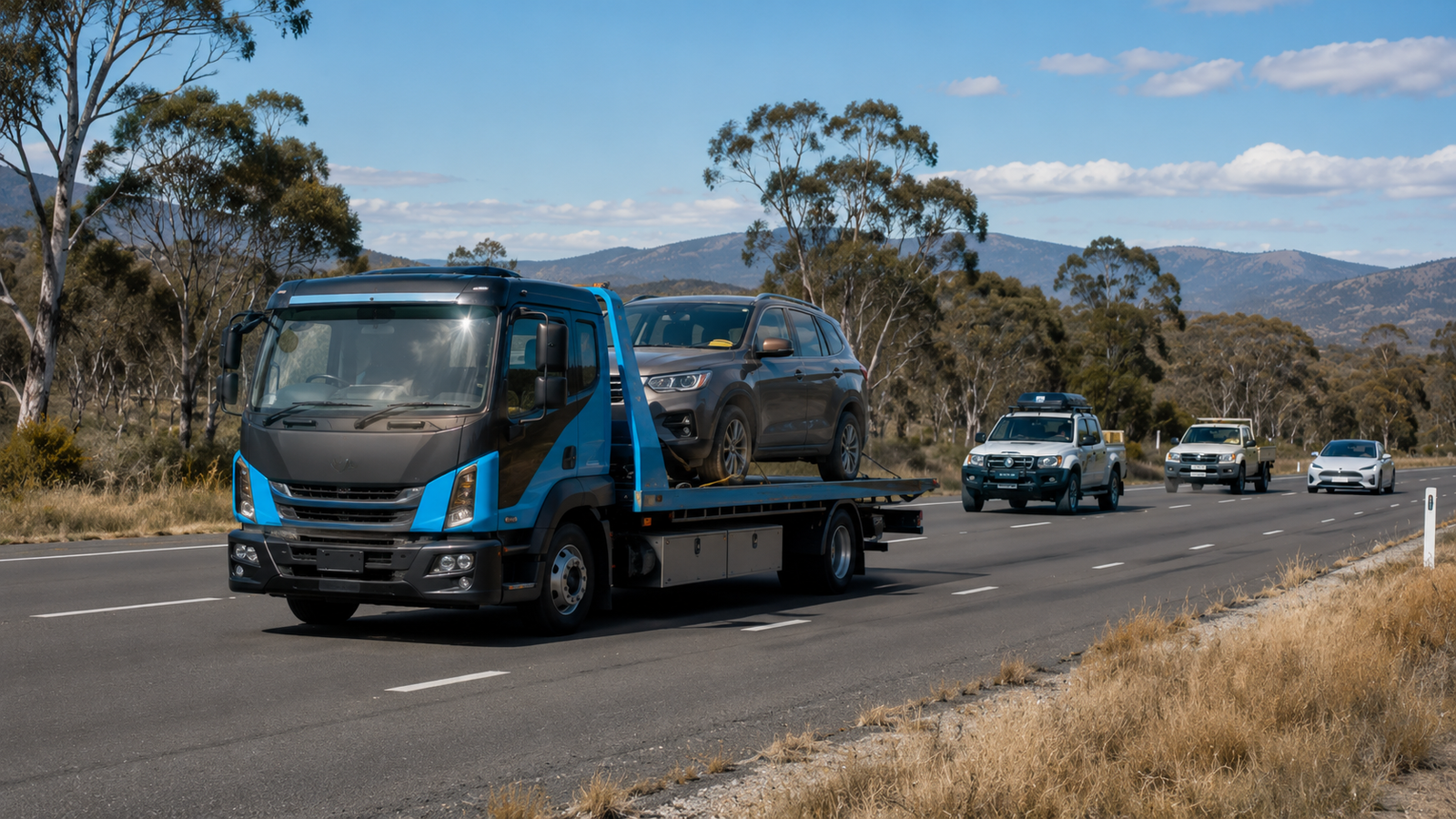
Modern recovery vehicles increasingly attend everything from compact electric vehicles through to large SUVs, utes, caravans and commercial fleets, each presenting different recovery requirements.
Australia's Heavy Reliance on Motor Vehicles Increases the Importance of Reliable Roadside Assistance
Australia is one of the world’s most vehicle-dependent countries. For many households, particularly outside major metropolitan areas, having access to a reliable vehicle is essential for work, education and everyday life.
The Australian Bureau of Statistics reports that more than 91% of Australian households own at least one motor vehicle, while over half own two or more.
Vehicle ownership alone doesn’t tell the full story. Australians also drive enormous distances each year.
BITRE’s Australian Infrastructure and Transport Statistics Yearbook shows that Australian vehicles travelled approximately 264 billion kilometres during 2024–25.
Every kilometre travelled contributes to normal wear and tear.
Over time, this increases the likelihood of:
- Battery failures
- Tyre wear and punctures
- Brake and suspension wear
- Cooling system failures
- Engine and transmission problems
- Electrical faults
While preventative servicing significantly reduces the risk of breakdowns, mechanical failures remain an unavoidable reality for millions of vehicles operating across Australia’s extensive road network.
Older Vehicle Fleets Continue to Influence Breakdown Risk
Vehicle age is one of the strongest indicators of ongoing maintenance requirements.
Although modern vehicles are engineered to last longer than previous generations, ageing components naturally become more susceptible to failure. Rubber hoses deteriorate, batteries lose capacity, electrical systems become less reliable, and suspension components wear after years of use.
According to the latest Australian Bureau of Statistics Motor Vehicle Census, the average age of Australia’s vehicle fleet reached 10.6 years.
The data also highlights notable differences between states and territories. Tasmania has the oldest average vehicle fleet in Australia, while the Australian Capital Territory has one of the youngest.
That difference is significant.
Older fleets typically require more maintenance and are statistically more likely to experience unexpected roadside failures.
Younger fleets generally benefit from newer technology, manufacturer warranties and lower component wear, although they are certainly not immune to flat batteries, tyre failures or electrical faults.
From Underground Towing & Salvage’s experience, vehicle age is rarely the sole reason a breakdown occurs.
More often, it combines with delayed servicing, high annual kilometres or harsh operating conditions to create the circumstances that leave motorists stranded.
Australia's Roadside Assistance Industry Responds to Hundreds of Thousands of Breakdowns Every Year
Although Australia lacks a single national breakdown database, roadside assistance providers publish valuable insights into the scale of vehicle failures occurring every year.
One of the largest datasets comes from RACQ.
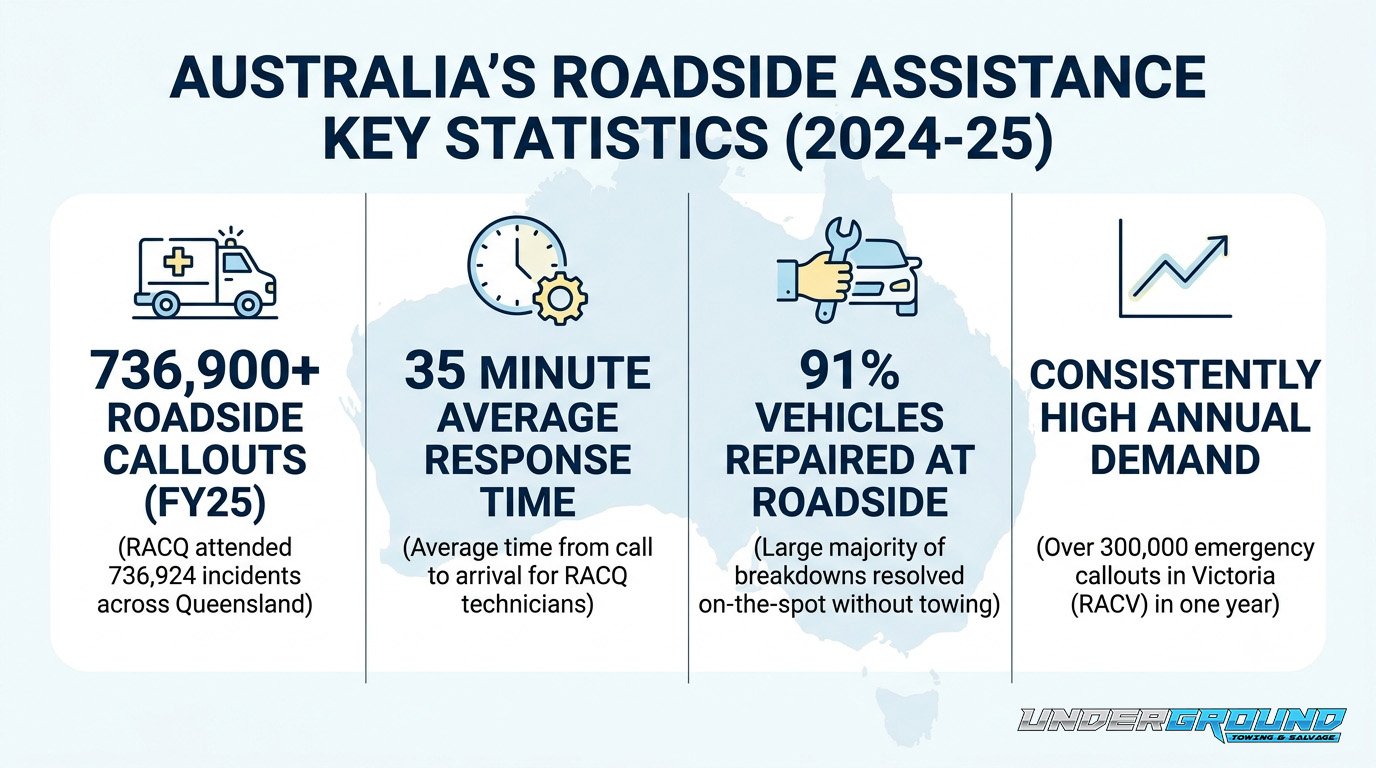
During the 2023–24 financial year, RACQ responded to 740,303 roadside assistance callouts, averaging approximately 2,000 rescues every day. Even more notably, technicians successfully repaired 91% of vehicles at the roadside, while maintaining an average response time of 35 minutes.
These figures demonstrate that many vehicle breakdowns can be resolved without requiring transport to a workshop, particularly when the issue involves batteries, tyres or minor mechanical faults.
Demand remained consistently high the following year. RACQ attended 736,924 roadside assistance callouts during FY25, reinforcing that roadside recovery remains an essential service rather than a seasonal spike.
The same pattern is evident elsewhere across Australia.
Meanwhile, RACV responded to approximately 300,000 emergency roadside assistance callouts across Victoria during 2024–25 and completed around 65,000 roadside repairs, allowing many motorists to continue their journey without requiring a tow.
Across New South Wales, the ACT and Tasmania, organisations such as NRMA and RACT provide similar services, including battery replacement, tyre changes, emergency fuel delivery, lockout assistance and towing where roadside repairs are not possible.
For towing operators, these statistics reflect an important reality. Most roadside incidents never require vehicle transport, but when technicians cannot safely repair the vehicle where it has stopped, professional recovery becomes the next critical step. This is particularly true following major mechanical failures, unsafe roadside locations or incidents where the vehicle simply cannot be driven.
Our Australian towing statistics guide explores the size of Australia’s towing industry, market trends and the growing demand for professional recovery services.
For motorists in the ACT facing these situations, our Canberra towing services is designed to provide prompt, safe recovery to a workshop, home or preferred destination, helping minimise further disruption after a breakdown.
Battery Failures Continue to Be Australia's Leading Cause of Roadside Assistance Callouts
Ask any roadside assistance technician about the most common breakdown they attend, and the answer is usually the same: flat batteries.
The data strongly supports that observation.
RACQ recorded 271,650 battery-related callouts during FY24, making battery failures comfortably the largest category of roadside assistance requests.
The following year, that figure increased substantially to 327,840 battery callouts, despite overall roadside assistance demand remaining relatively stable.
South Australia’s RAA reported a similar trend, replacing more than 72,700 vehicle batteries during 2024–25.
Battery failures occur for many reasons, including:
- Ageing batteries reaching the end of their service life.
- Extreme temperatures reducing battery performance.
- Vehicles sitting unused for extended periods.
- Faulty alternators or charging systems.
- Lights or accessories accidentally left running.
Even newer vehicles are not immune. Modern cars place greater demands on their electrical systems through advanced safety features, infotainment systems and driver assistance technologies, making battery health more important than ever.
International research supports the Australian experience. Germany’s ADAC, one of the world’s largest motoring organisations, continues to identify 12-volt battery failures as the leading cause of roadside breakdowns, including in many electric vehicles where the auxiliary battery still powers essential vehicle systems.
While this data reflects international conditions, it highlights that battery-related failures remain a global roadside assistance challenge rather than an Australian-only issue.
Tyres, Lockouts and Fuel-Related Incidents Continue to Generate Significant Roadside Demand
While battery failures account for the largest share of roadside assistance callouts, they are far from the only reason motorists require help.
Tyre damage, accidental lockouts and running out of fuel continue to generate tens of thousands of roadside assistance requests each year, many of which could be avoided through regular vehicle checks and trip planning.
During FY24, RACQ attended:
- 71,200 flat tyre callouts
- 25,500 vehicle lockouts
- 7,700 out-of-fuel incidents
The pattern remained remarkably consistent the following financial year. RACQ responded to 74,840 tyre-related incidents, 23,786 lockouts and 6,450 fuel-related callouts, demonstrating that these everyday problems continue to place significant demand on roadside assistance services.
Seasonal conditions also influence breakdown trends.
RACV reported more than 37,000 roadside callouts across regional Victoria during the 2024–25 Christmas and summer holiday period, identifying flat batteries, tyre damage, lockouts and heat-related mechanical failures as the most common issues.
This reflects a broader trend seen across Australia. Holiday periods typically involve longer journeys, increased towing of caravans and trailers, heavier traffic volumes and higher temperatures, all of which increase the likelihood of roadside failures.
Delayed Vehicle Maintenance Is Increasing Breakdown Risk
Cost-of-living pressures are beginning to influence how Australians maintain their vehicles.
Although delaying routine servicing may reduce short-term expenses, it often increases the likelihood of more expensive repairs or unexpected roadside breakdowns later.
RACQ’s latest research found that 32% of Queensland motorists had delayed vehicle maintenance because of cost-of-living pressures. Among those motorists:
- 80% postponed scheduled servicing
- 40% delayed replacing worn tyres
- 57% believed delaying maintenance increased the risk of breakdowns or accidents
These findings reinforce an important point. Many of the roadside incidents attended each day are not caused by catastrophic mechanical failures but by components that gradually deteriorate over time.
Routine servicing cannot prevent every breakdown, but maintaining batteries, tyres, cooling systems and braking components significantly reduces the risk of being stranded.
From our experience at Underground Towing & Salvage, many vehicles requiring recovery have developed issues that began as relatively minor maintenance concerns before eventually leaving the vehicle unable to continue safely.
Vehicle Reliability, Mechanical Defects and Safety Recalls
Not every vehicle fault results in an immediate breakdown.
Some problems develop gradually, while others are identified by manufacturers through ongoing safety monitoring and engineering investigations.
Australia’s official Vehicle Recalls database records recalls affecting passenger vehicles, motorcycles, commercial vehicles and heavy transport. These recalls can involve critical systems including:
- Braking systems
- Steering components
- Fuel systems
- Electrical systems
- Airbags
- Suspension
- Powertrain components
It is important to distinguish between recalls and breakdowns.
A safety recall does not necessarily mean a vehicle has failed. Instead, it identifies a manufacturing issue that could increase the likelihood of failure or create a safety risk if left unaddressed.
Keeping recall repairs up to date forms an important part of preventative vehicle maintenance and long-term reliability.
Commercial Vehicle Growth Is Increasing Demand for Breakdown Recovery Services
Commercial vehicles operate under very different conditions from privately owned passenger cars.
Many spend long hours on the road every day carrying tools, freight, equipment or goods, often accumulating substantially higher annual kilometres than family vehicles.
BITRE data shows Australia continues to maintain a large and growing fleet of light commercial vehicles, trucks and trailers alongside its passenger vehicle fleet.
At the same time, the National Heavy Vehicle Regulator continues to oversee an expanding heavy vehicle industry responsible for transporting freight across Australia’s extensive road network.
For commercial operators, the consequences of a breakdown extend well beyond repair costs.
A vehicle off the road can result in:
- Missed deliveries
- Lost productivity
- Project delays
- Customer disruption
- Increased operating costs
This is why commercial breakdown recovery often requires specialist towing equipment capable of safely transporting larger vehicles, machinery or loaded trailers while minimising downtime.
Breakdown Statistics in Canberra and the ACT
Canberra’s vehicle fleet continues to grow alongside its population, increasing the number of vehicles requiring ongoing maintenance and roadside support.
According to ACT Government data, registrations continue to rise across passenger vehicles, commercial vehicles and alternative fuel vehicles.
The ACT also publishes detailed registration information by vehicle make, model and suburb, highlighting the diversity of vehicles operating throughout Canberra and surrounding districts.
Although state-specific breakdown figures are not publicly reported, NRMA provides roadside assistance throughout Canberra, attending common incidents including battery failures, tyre changes, lockouts, fuel delivery and towing when roadside repairs cannot be completed.
From Underground Towing & Salvage’s experience, battery failures, mechanical faults and accident-related recoveries are among the most common reasons motorists require professional towing across Canberra.
Vehicles frequently need recovery from residential streets, shopping centres, major arterial roads and underground car parks where specialist equipment may be required.
Breakdown Statistics in Tasmania
Tasmania presents a different roadside assistance environment to mainland Australia.
The state has Australia’s oldest average vehicle fleet, meaning many vehicles have accumulated years of wear that naturally increases maintenance requirements over time.
Vehicle registration data published by the Tasmanian Government demonstrates a substantial and active vehicle fleet operating across both metropolitan and regional communities.
Traffic monitoring also shows consistent vehicle movement across Tasmania’s road network, including major regional highways connecting cities, towns and tourism destinations.
RACT supports motorists throughout Tasmania with roadside assistance services covering battery replacement, tyre assistance, emergency fuel delivery, lockouts and vehicle towing where repairs cannot be completed roadside.
Given Tasmania’s extensive regional road network and long travel distances between some communities, prompt roadside recovery plays an important role in reducing disruption for both residents and visitors.
Our Tasmania towing service supports motorists across Northern Tasmania with professional vehicle recovery, breakdown towing and transport when roadside repairs are not possible.
When Roadside Assistance Isn't Enough: The Growing Role of Professional Breakdown Towing
Roadside assistance technicians resolve a large proportion of vehicle incidents without requiring transport.
Even so, not every vehicle can be repaired safely where it stops.
Professional towing becomes necessary when the vehicle has experienced:
- Engine or transmission failure
- Serious cooling system damage
- Suspension or steering failure
- Accident damage
- Electrical faults preventing the vehicle from operating safely
- Multiple mechanical failures requiring workshop repairs
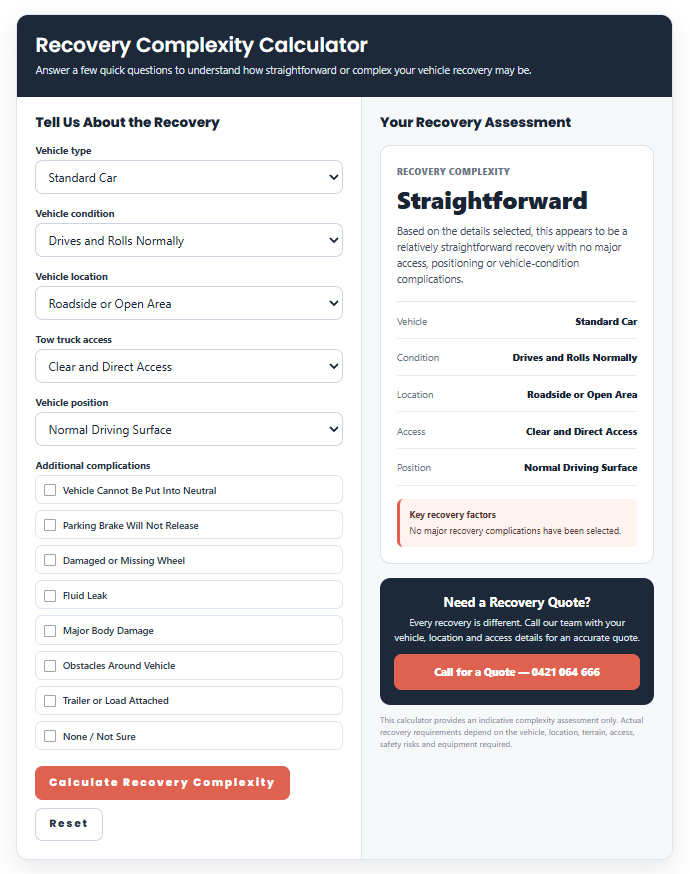
The difficulty of the recovery can also vary depending on the vehicle’s condition, location and accessibility. Our recovery complexity calculator can help motorists understand the factors that may make a towing or recovery job more straightforward or complex.
Recovering these vehicles safely protects motorists, reduces traffic disruption and prevents additional vehicle damage.
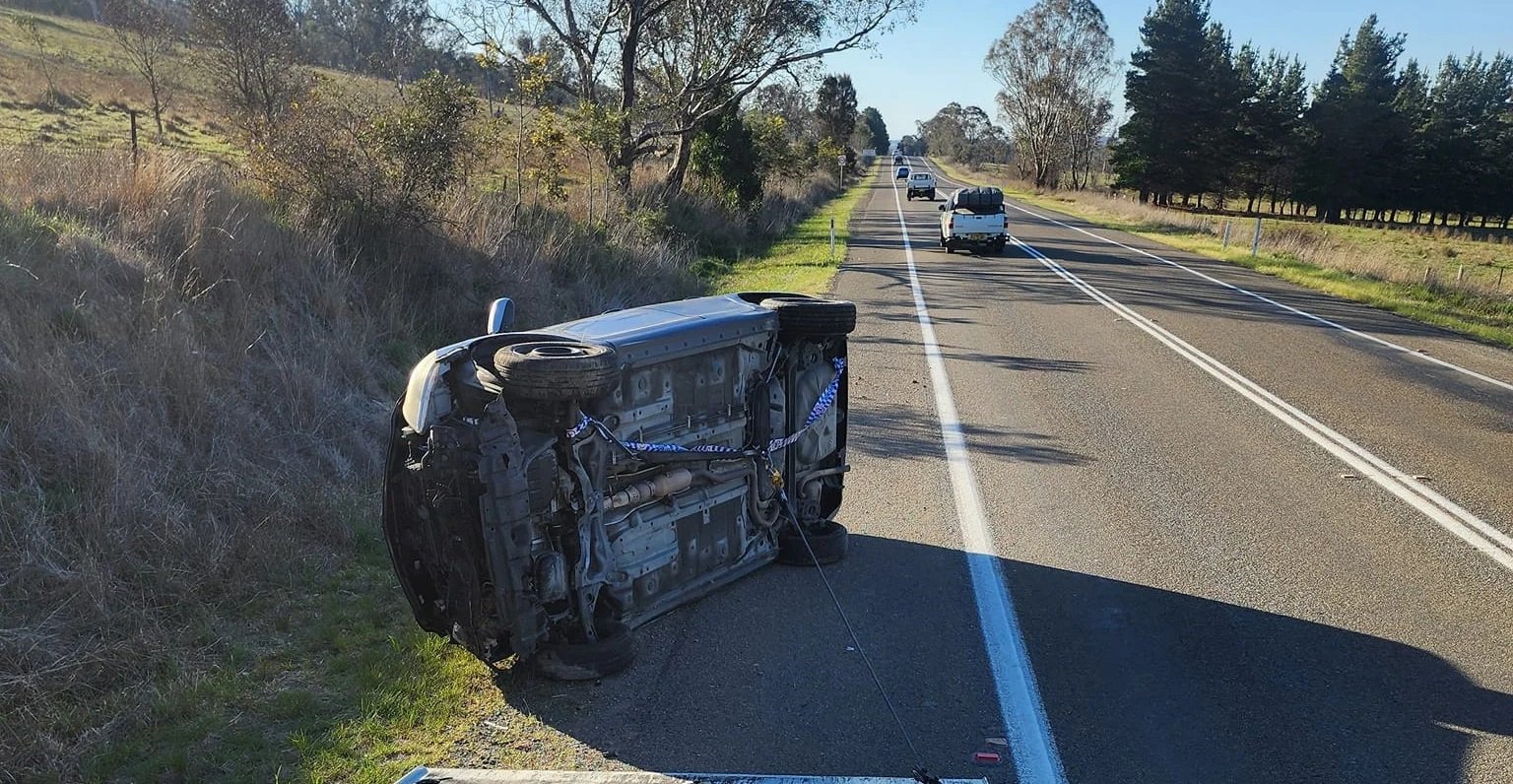
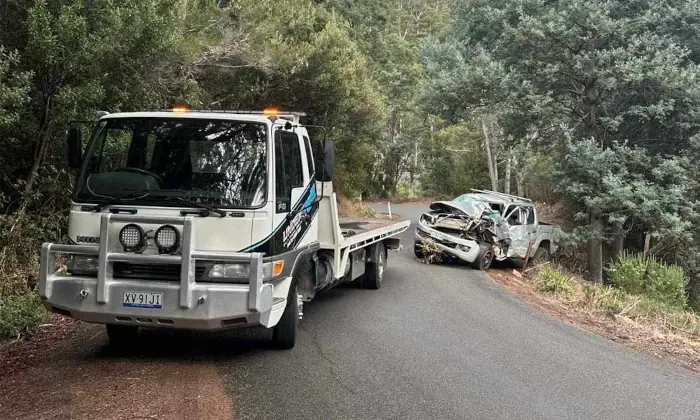
Following collisions, the priority also shifts from restoring mobility to ensuring the damaged vehicle is removed safely and transported to an appropriate repairer or assessment facility.
In these situations, our accident towing in Canberra service provides prompt recovery for damaged vehicles across Canberra and surrounding areas.
What These Breakdown Statistics Mean for Australian Motorists and Fleet Operators
Australia’s growing vehicle fleet, ageing cars and consistently high roadside assistance demand all point to one clear conclusion: breakdowns will remain an unavoidable part of driving.
While many common issues can be prevented through regular servicing, fast access to roadside assistance and professional recovery services remains essential when problems occur.
“Most breakdowns we attend don’t start as major failures. They’re often the result of a battery reaching the end of its life, a tyre issue or a mechanical problem that develops over time. The sooner a vehicle is recovered safely, the sooner the driver can get back on the road.”
Joshua Harrison, Founder, Underground Towing & Salvage
As Australia’s roads become busier and vehicles continue to evolve, reliable breakdown recovery will remain an important service for motorists, businesses and commercial fleet operators alike.