

Tow truck services in Tasmania are changing in practical and noticeable ways. What was once a relatively straightforward service focused on mechanical breakdowns and accident recovery now needs to respond to new vehicle technology, higher customer expectations and more time-sensitive operating environments.
The growing number of electric vehicles on Tasmanian roads, the rise of subscription-style roadside assistance and the increasing use of apps and GPS-based dispatch systems are reshaping how towing in Tasmania works day to day. For drivers, this brings different expectations when something goes wrong. For providers, it translates into new equipment, new skills and new ways of operating.
This article explains what is driving these changes, how they affect car towing in Tasmania and what customers should realistically expect from a modern tow truck service.
EVs are changing the demands on towing services
Electric vehicles are no longer rare in Tasmania. As adoption increases, so do the practical challenges for a tow truck in Tasmania. EVs differ from petrol and diesel vehicles in several ways that directly affect how they can be recovered safely.
One of the most significant differences is battery placement. In many EVs, the battery pack is mounted low in the vehicle, often forming part of the structural floor. This makes recovery more sensitive to loading angles, ground clearance and securing points.
EVs also introduce different breakdown scenarios. Instead of mechanical faults, drivers may experience immobilisation due to battery depletion or vehicle systems placing the car into a non-drivable state. In these situations, roadside fixes are often limited and recovery becomes the safest option.
For car towing in Tasmania, this shift places greater emphasis on:
- Equipment designed for low and controlled loading
- Careful handling to avoid underbody damage
- Operators trained to recognise EV-specific risks
- Clear explanations about why towing is required
As EV numbers increase, the ability to handle these vehicles correctly is becoming an expected capability rather than a specialist service.
Why subscription and membership models are becoming more common
Another change influencing truck towing in Tasmania is how drivers access assistance in the first place. Subscription and membership-based roadside models are becoming more visible, particularly among drivers who want predictable access to help.
These models usually provide defined inclusions such as call-out limits, towing distances or bundled roadside support. The appeal lies in knowing what is covered before a problem occurs.
At the same time, these arrangements shape expectations. Drivers often assume quicker response times, clearer communication and a more organised service experience. This can affect how towing providers operate, particularly when jobs are referred through insurers or roadside networks.
It is also important for drivers to understand that memberships have limits. Distance caps, exclusions and access constraints still apply. Knowing when a situation requires full towing in Tasmania, rather than roadside support alone, helps reduce confusion during recovery.
How apps and GPS tracking are changing response times
Technology has reshaped how people expect services to operate, and towing in Tasmania is no exception. Many drivers now expect accurate arrival estimates and updates while waiting, particularly when delays can affect safety or schedules. Modern dispatch systems increasingly rely on GPS tracking, digital job allocation and real-time communication, helping providers manage jobs more efficiently from the outset. For customers, this means fewer unknowns and a clearer sense of what is happening.
For providers, faster dispatch depends on preparation as much as software. It requires:
- Accurate location details
- Clear information about vehicle condition and access
- Matching the right truck to the job
- Operators trained to assess situations before arrival
These systems are particularly valuable across highways and regional routes, where distance and access can affect response times.
How changing expectations affect regional and highway towing in Tasmania
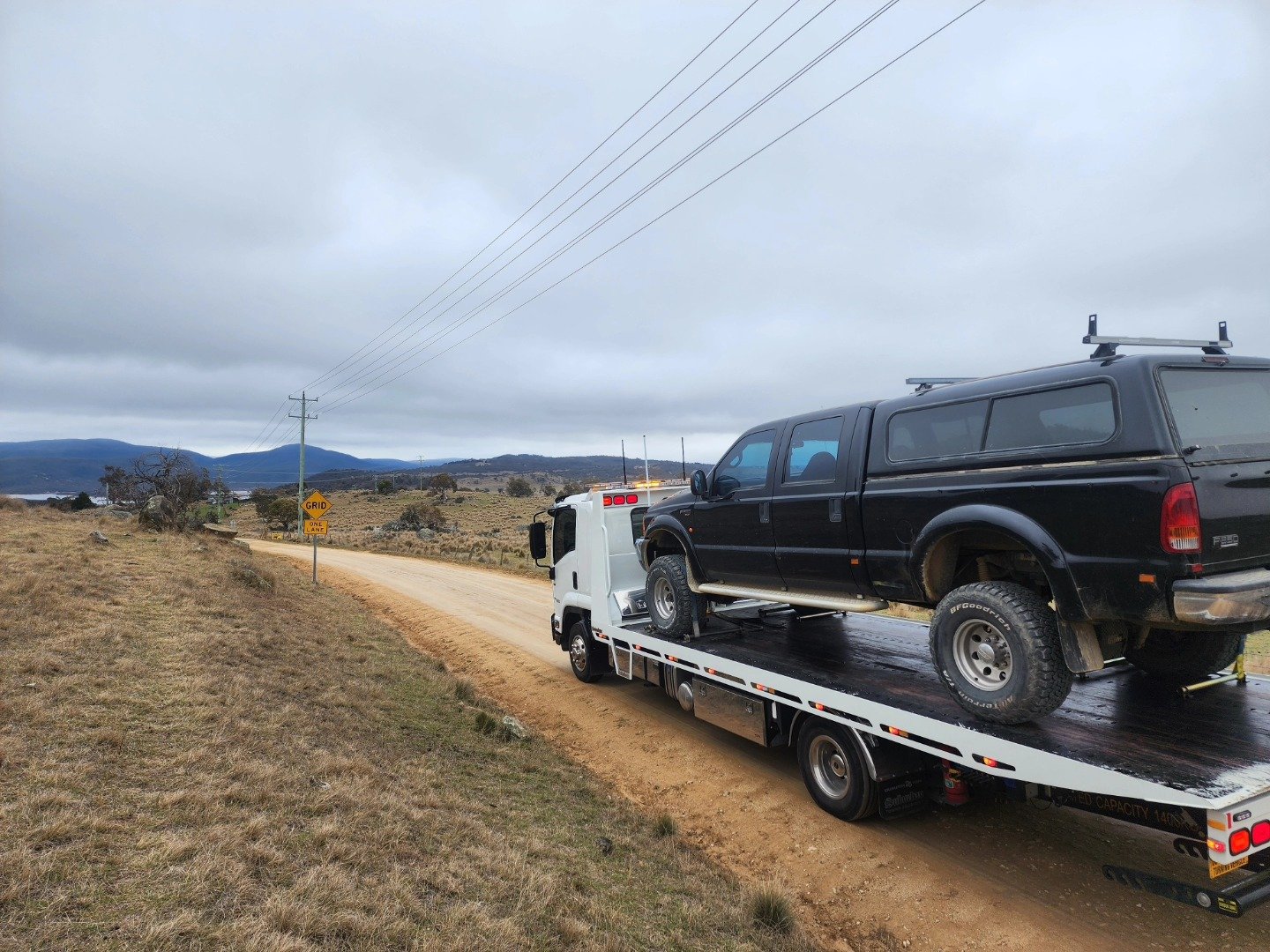
Towing in Tasmania often involves regional highways and fewer nearby service centres. These conditions shape how quickly issues can escalate and why accurate response planning matters.
When a breakdown occurs outside urban areas, small delays can have larger consequences. Limited mobile coverage, reduced traffic flow and fewer safe stopping points mean drivers rely heavily on clear communication and realistic arrival estimates. This is where GPS-based dispatch and accurate job information make a measurable difference.
For providers, regional towing requires careful coordination. The right truck needs to be allocated from the start, particularly when vehicle type, load or access conditions are involved. Sending a second vehicle due to misallocation adds time and frustration for the driver.
As expectations shift, customers increasingly look for certainty rather than speed alone. Knowing who is coming, when they will arrive and whether the truck is suited to the situation has become a key part of the service experience.
What tow truck providers need to keep pace with change
As recovery demands evolve, a tow truck in Tasmania has to offer more than availability alone. What matters increasingly is how well a provider is prepared before a recovery even begins. To keep pace, local towing providers increasingly need to invest in:
- Fleet capability — Low-clearance trucks, adaptable loading systems and vehicles suited to varied recovery environments, particularly for confined spaces, heavier vehicles and non-standard recoveries.
- Operator training — Ongoing training that covers evolving vehicle systems, safe recovery techniques and EV-specific considerations, rather than relying solely on traditional towing experience.
- Operational systems — Clear job handling processes that support accurate dispatch, appropriate truck allocation and consistent communication with customers from first contact through to recovery.
- Pricing transparency — The ability to explain costs clearly before towing begins, helping customers understand what is involved and reducing uncertainty during already stressful situations.
Together, these factors shape how professional a towing service feels in practice, not just how quickly a truck arrives.
What customers should expect in the near future
The changes already underway are likely to continue. EV adoption will keep influencing recovery methods. Dispatch systems will continue to improve. Subscription-style assistance will remain part of the roadside landscape. For customers, this means expecting:
- Greater focus on correct recovery methods
- Clear explanations before towing begins
- Noticeable differences in capability between providers
- Ongoing emphasis on transparency and professionalism
For truck towing in Tasmania, progress is less about disruption and more about steady adaptation.
How different towing services fit together
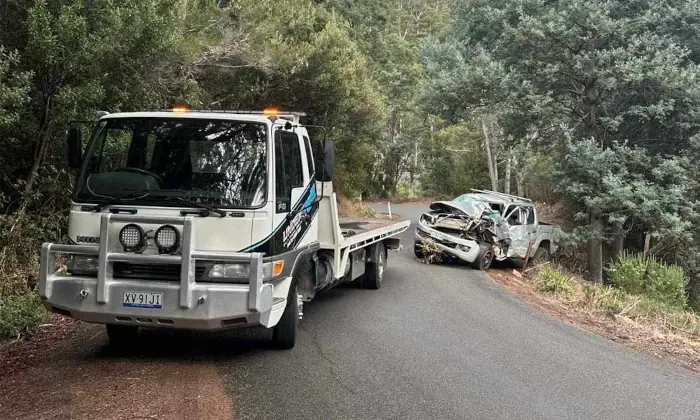
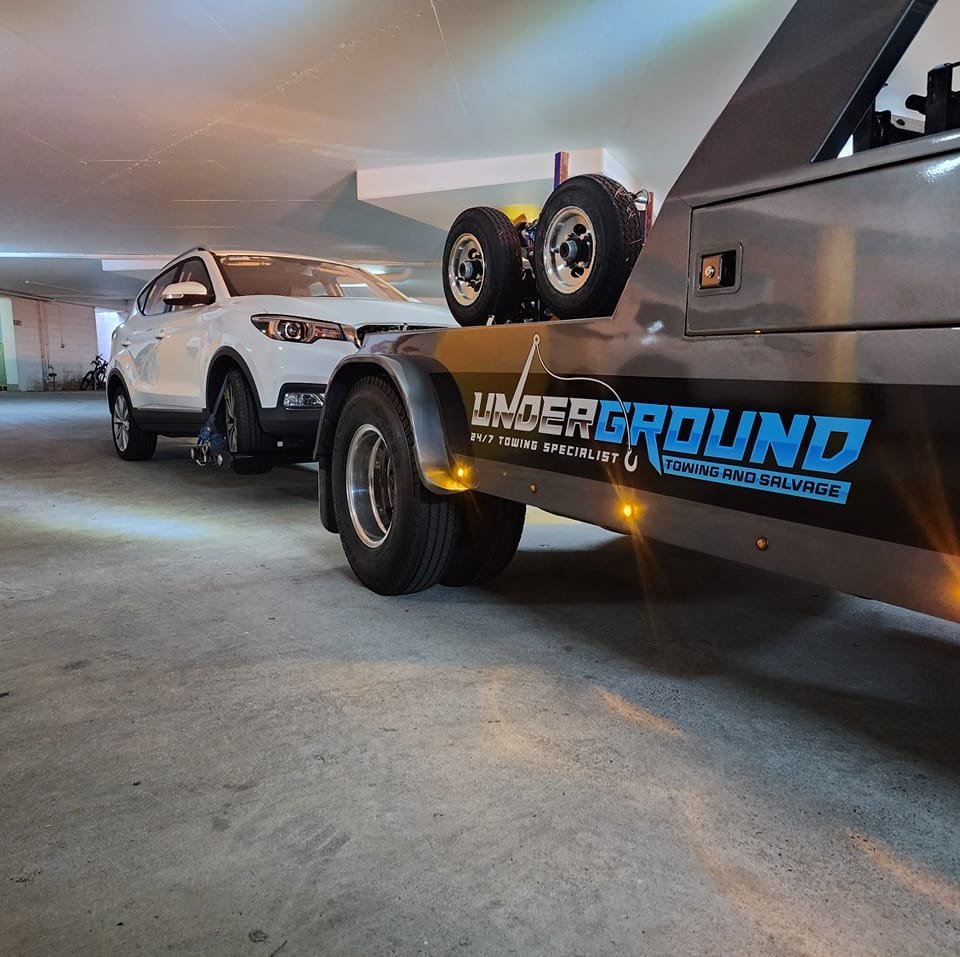
Modern towing in Tasmania often involves multiple service types rather than a single solution. The nature of the incident usually determines which services are required. A vehicle may initially require breakdown assistance before recovery becomes necessary. Access constraints can mean underground carpark towing is required instead of standard roadside loading. Collisions often make accident towing the safest option.
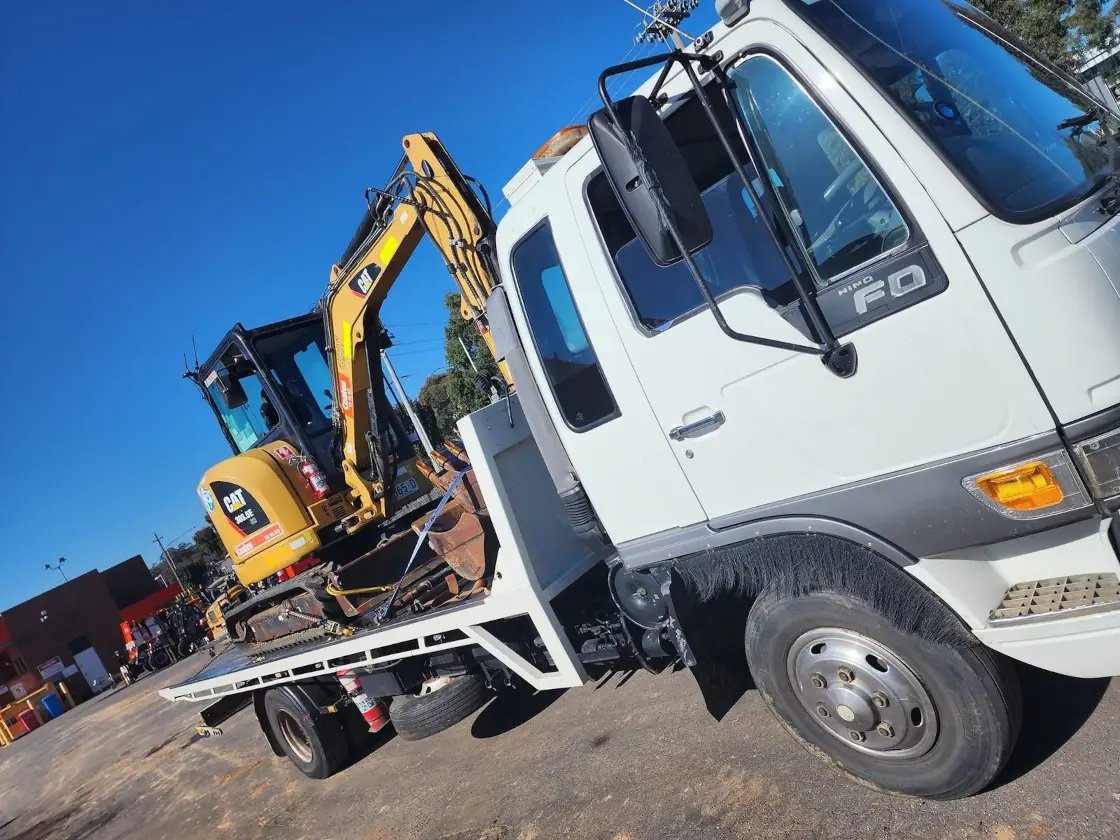
Long-distance recoveries still matter for drivers travelling between states, which is where interstate towing comes into play. Vehicles that are no longer viable to repair may instead require scrap car removal. Commercial operators may also rely on light machinery towing when equipment or work vehicles are involved. Understanding how these services connect helps drivers set realistic expectations and make informed decisions.
Choosing the right support when towing is required
When recovery is needed, particularly in stressful or unfamiliar situations, having access to a provider that understands modern towing demands can make a meaningful difference.
Underground Towing & Salvage provides towing in Tasmania with a focus on preparation, capability and clear communication. With experience across a wide range of recovery scenarios and access challenges, the team is equipped to handle situations involving EVs, confined spaces and time-sensitive recoveries.
Whether you need help after a breakdown, an accident or a long-distance issue, contact Underground Towing & Salvage to discuss your situation and arrange professional towing support from a local team that understands how services are evolving.