

4WDs and dual-cab utes are built for heavier loads, tougher conditions and longer distances than standard passenger vehicles. That capability is why many owners rely on them for work, travel and towing, often in environments where reliability matters. However, those same demands mean that when something does go wrong, the consequences are often more serious. Many common 4WD issues develop gradually, shaped by load, driving conditions and usage patterns that are specific to larger vehicles.
Below, we break down five causes of 4WD breakdowns that are particularly relevant to 4WDs and dual-cab utes, with a focus on real-world conditions faced by drivers in and around Canberra.
Why breakdowns hit 4WDs and dual-cabs differently
Compared to smaller cars, 4WDs and dual-cab utes place greater strain on their mechanical systems. Extra weight, higher ride heights, diesel engines and regular towing all increase the margin for escalation when a fault appears.
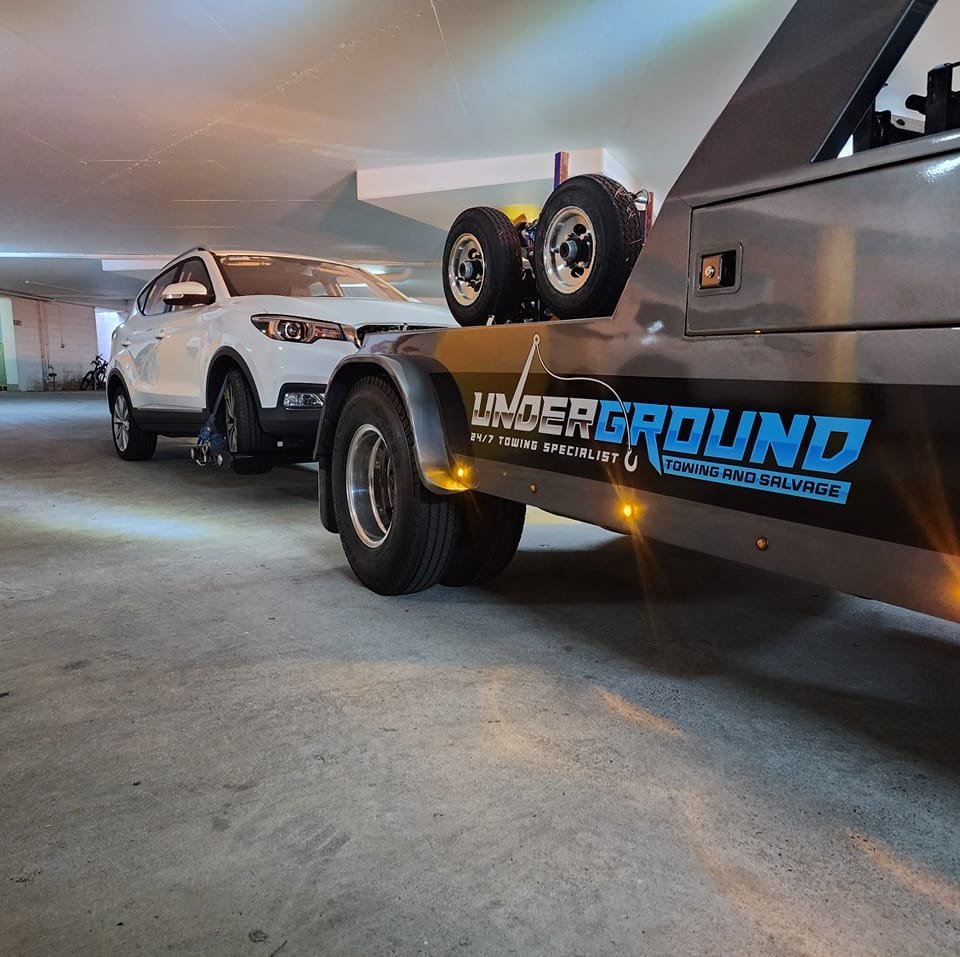
When a breakdown occurs, access can also be more challenging. Vehicles may be stuck on highways, in work sites, on steep ramps or even in underground carparks where clearance is limited. This is particularly common for vehicles that regularly tow, carry tools or equipment or spend long hours on Canberra’s arterial roads and interstate routes.
These factors help explain why certain faults are far more disruptive in 4WDs and dual-cab utes than in smaller vehicles:
Cause 1 — Battery failure under load and accessory use
Battery issues remain one of the most common 4WD breakdown causes, but the reasons differ from those in standard passenger vehicles. Dual-cab utes and 4WDs often run additional electrical accessories such as winches, spotlights, fridges, inverters and aftermarket systems. These draw power even when the vehicle is not moving.
Short trips around Canberra combined with heavy accessory use can prevent the battery from recharging properly. Over time, this leads to:
- Slow or failed starts
- Warning lights appearing on the dash
- Electrical systems cutting out unexpectedly
In many cases, the battery does not fail completely until the vehicle is already in use. Once a large diesel vehicle is immobilised, roadside jump-starts may not be enough, particularly if the battery is degraded or the charging system is affected as well. This is a common reason breakdown assistance escalates to towing rather than a quick fix.
Cause 2 — Diesel engine issues and DPF blockages
Diesel engines are common in dual-cab utes and 4WDs because they deliver torque and efficiency under load. However, modern diesel systems introduce their own risks, particularly for vehicles used as daily drivers alongside heavier weekend use.
A diesel breakdown in Canberra is often linked to diesel particulate filter (DPF) issues. DPF systems rely on sustained driving to burn off soot, which means vehicles that do frequent short trips or stop-start driving may struggle to regenerate properly. Signs of a developing problem can include:
- Reduced engine power
- Warning lights or limp mode
- Increased fuel consumption
Once a DPF becomes heavily blocked, the vehicle may no longer be drivable. At that point, roadside repair is unlikely and professional recovery is required. Diesel-related failures are a frequent reason large vehicles need towing rather than mechanical assistance on the spot.
Cause 3 — Overheating caused by weight, terrain and towing
Overheating is another of the most common 4WD breakdown causes, particularly for vehicles used for towing, long-distance travel or work duties. Extra weight places sustained load on the engine and cooling system, especially in warmer conditions or when travelling at highway speeds. Common contributors include:
- Cooling system wear
- Coolant leaks that go unnoticed
- Blocked radiators or failing fans
- Long climbs or towing under load
When overheating occurs, continuing to drive can cause serious engine damage. For heavy vehicles, pulling over safely may be difficult, especially on major Canberra roads or interstate routes. Once an overheating event escalates, the safest option is often towing rather than attempting to limp the vehicle further.
Cause 4 — Tyre, suspension and drivetrain stress
Tyres, suspension components and drivetrains take more punishment on 4WDs and dual-cab utes than on lighter vehicles. Regular load carrying, uneven terrain and higher torque output place constant stress on these systems, particularly during highway driving or work use. Tyre failures remain a common trigger for breakdowns, but in larger vehicles, they are often accompanied by secondary issues such as:
- Suspension damage
- Alignment problems
- Drivetrain strain
A blown tyre on a fully loaded dual-cab is rarely a simple roadside change. Vehicle weight, drivetrain stress under load and access conditions often make recovery more complex, particularly when wheels, CV joints or suspension components are already under strain. This is especially true when breakdowns occur on highways, construction sites or confined spaces where underground carpark towing may be needed.
Cause 5 — Transmission and drivetrain failures
Transmission failures are less common than battery or tyre issues, but they are far more disruptive when they occur. In 4WDs and dual-cab utes, transmissions operate under sustained load due to towing, payloads and off-road conditions, which accelerates wear over time. Early warning signs are often subtle and easy to dismiss, including:
- Delayed gear changes
- Slipping under load
- Unusual noises
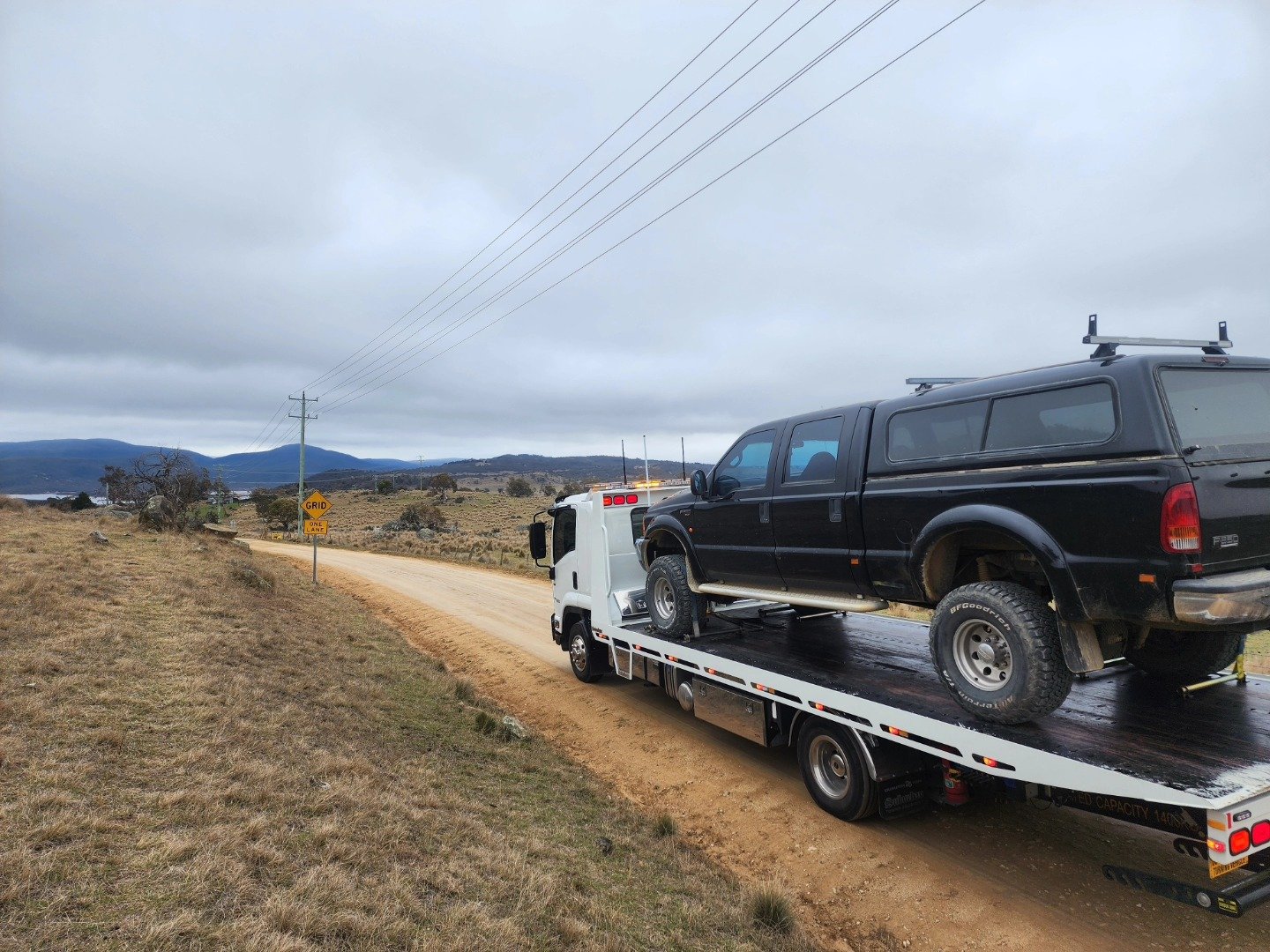
If these signs are ignored, failure can be sudden and complete. Once a transmission issue escalates, the vehicle will not move under its own power. For larger vehicles, this typically results in towing rather than repair at the roadside. This is one reason dual-cab towing in Canberra often involves heavier equipment and specialist handling.
Why 4WD and dual-cab breakdowns escalate faster than standard car breakdowns
When a fault develops in a larger vehicle, it can escalate quickly due to factors such as:
- Vehicle weight — Extra mass places constant strain on batteries, cooling systems, drivetrains and suspension, causing faults to worsen quickly
- Diesel engine systems — Modern safeguards reduce power or shut systems down to prevent damage, limiting how far the vehicle can keep moving
- Load and towing demands — Carrying weight or towing under highway conditions accelerates mechanical failure
- Access limitations — Breakdowns often occur on busy roads, steep ramps or in underground carparks where roadside fixes are not practical
- Safety considerations — Risks rise quickly, making towing the safest and most sensible option
Why larger vehicles often require towing rather than repairs
When breakdowns happen in 4WDs and dual-cabs, the combination of size, weight and operating conditions limits what can be resolved on site. Access challenges may include:
- Low-clearance or tight parking structures
- Steep ramps or awkward angles
- High-traffic roads
- Remote or interstate locations
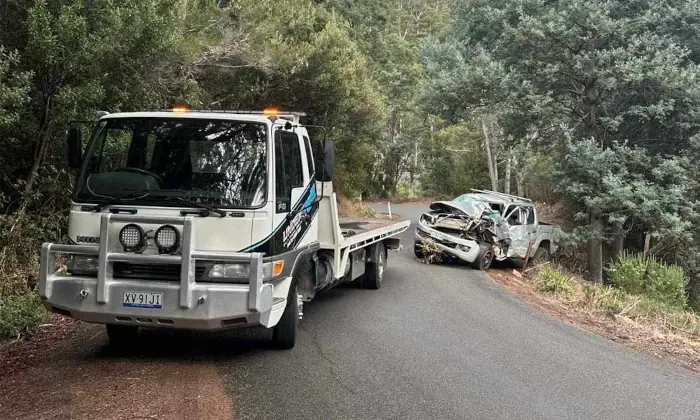
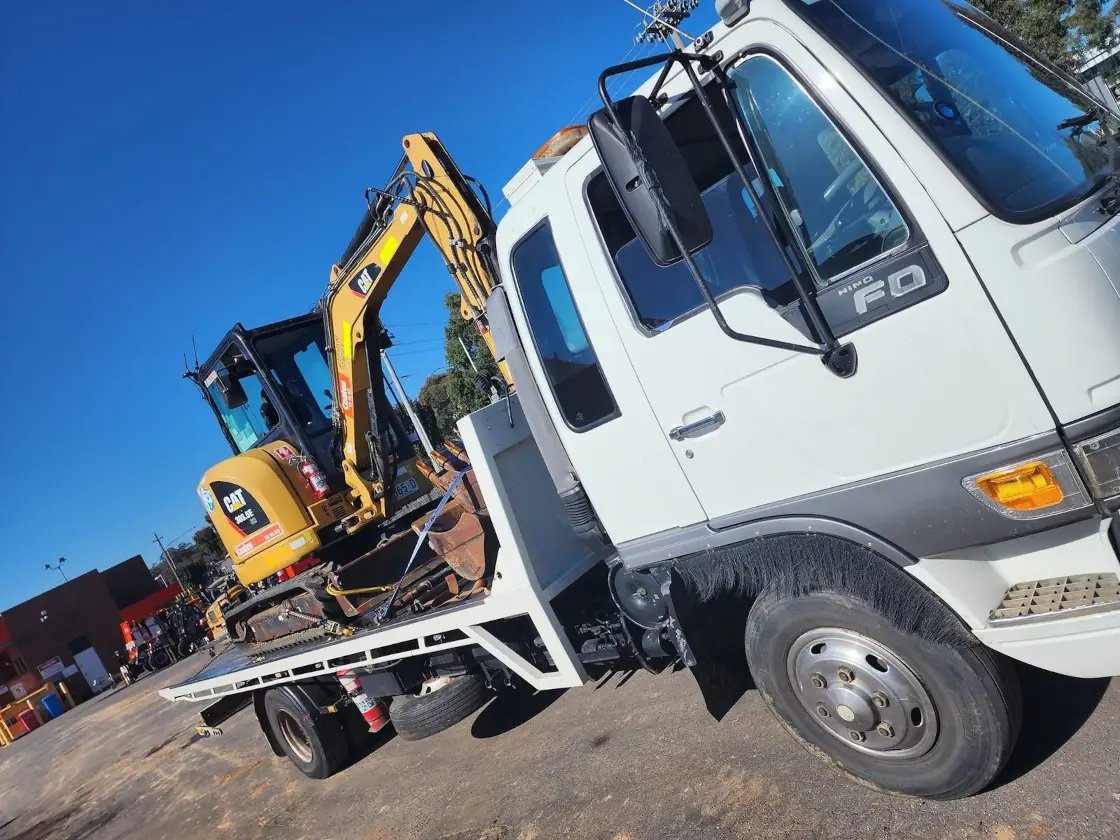
As a result, recovery may involve services beyond standard breakdown assistance. Depending on the situation, this can include accident towing following a collision or interstate towing when a vehicle breaks down far from home. For commercial operators, light machinery towing may also be required when equipment or trailers are involved.
Reducing risk without overconfidence
While many causes of 4WD breakdowns develop over time, not all failures are preventable. Larger vehicles are exposed to more variables and higher stress. Recognising early warning signs and responding quickly can reduce escalation, but there will always be situations where professional recovery is the safest option. Understanding why breakdowns happen helps set realistic expectations and reinforces the importance of having access to experienced towing support when needed.
Contact Underground Towing for reliable support when a breakdown happens
When a 4WD or dual-cab breaks down, choosing the right towing provider matters, especially when vehicle size, weight and access are involved. Underground Towing specialises in recovering larger vehicles across Canberra and surrounding areas, including situations where low clearance, tight access or difficult terrain make recovery more complex.
With services covering everything from breakdown assistance and scrap car removal in Canberra to towing in Tasmania, the team is equipped to handle recoveries that standard operators often cannot. If your vehicle is stranded on a highway, stuck in a low-clearance carpark or unable to be driven safely, contact Underground Towing to discuss your situation and arrange professional assistance.